
What is a hollow rivet or tubular rivet?
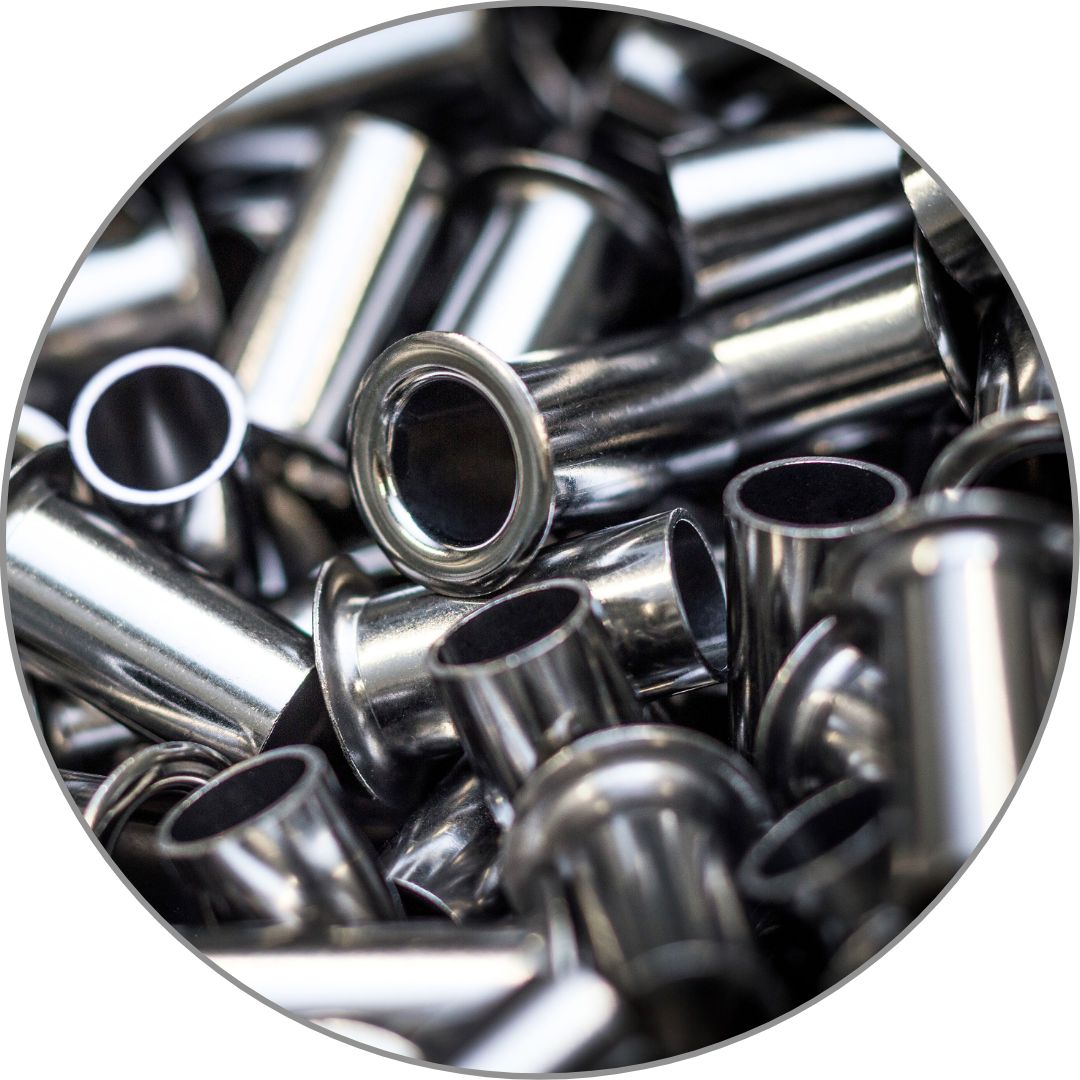
The hollow rivet or tubular rivet is made from precision metal tubing and is used for’Permanent assembly of several parts together.
During riveting, the riveter forms the second head by upsetting the shank. They can control the force of this upset so as not to fully tighten the supports, allowing for mobility. E.g., colour swatch.
The round hollow rivet works like a drilled rivet, but with less intense fastening. It is one of the few types of rivets that allow cable passage.
ADVANTAGES OF HOLLOW RIVETS
- A robust and compact assembly.
- The crimping of several elements in a single operation.
- a more efficient fixing compared to solid and blind rivets. e.g. cable passage
- a good alternative to welding with more practical and economical implementation.
- good value for money.
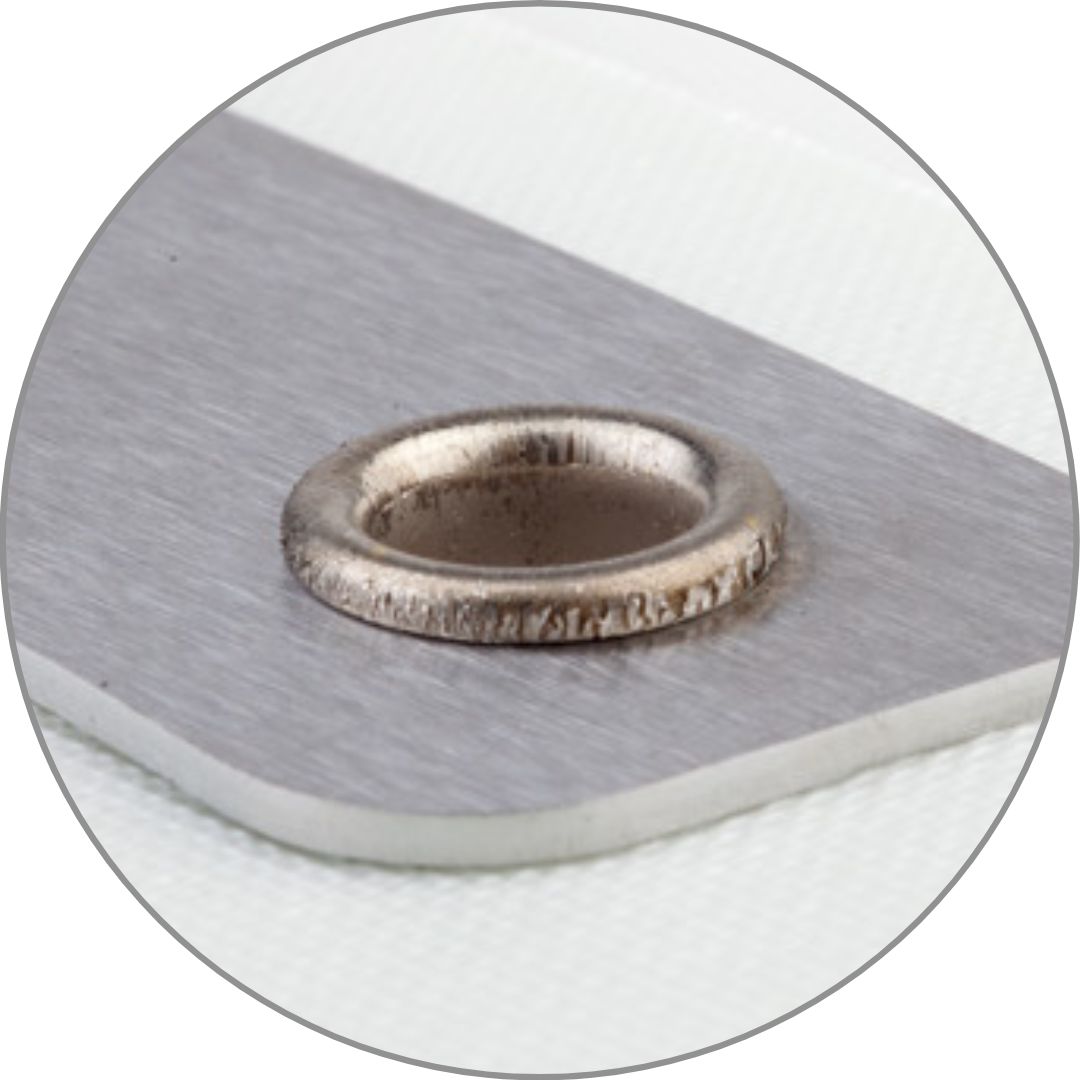
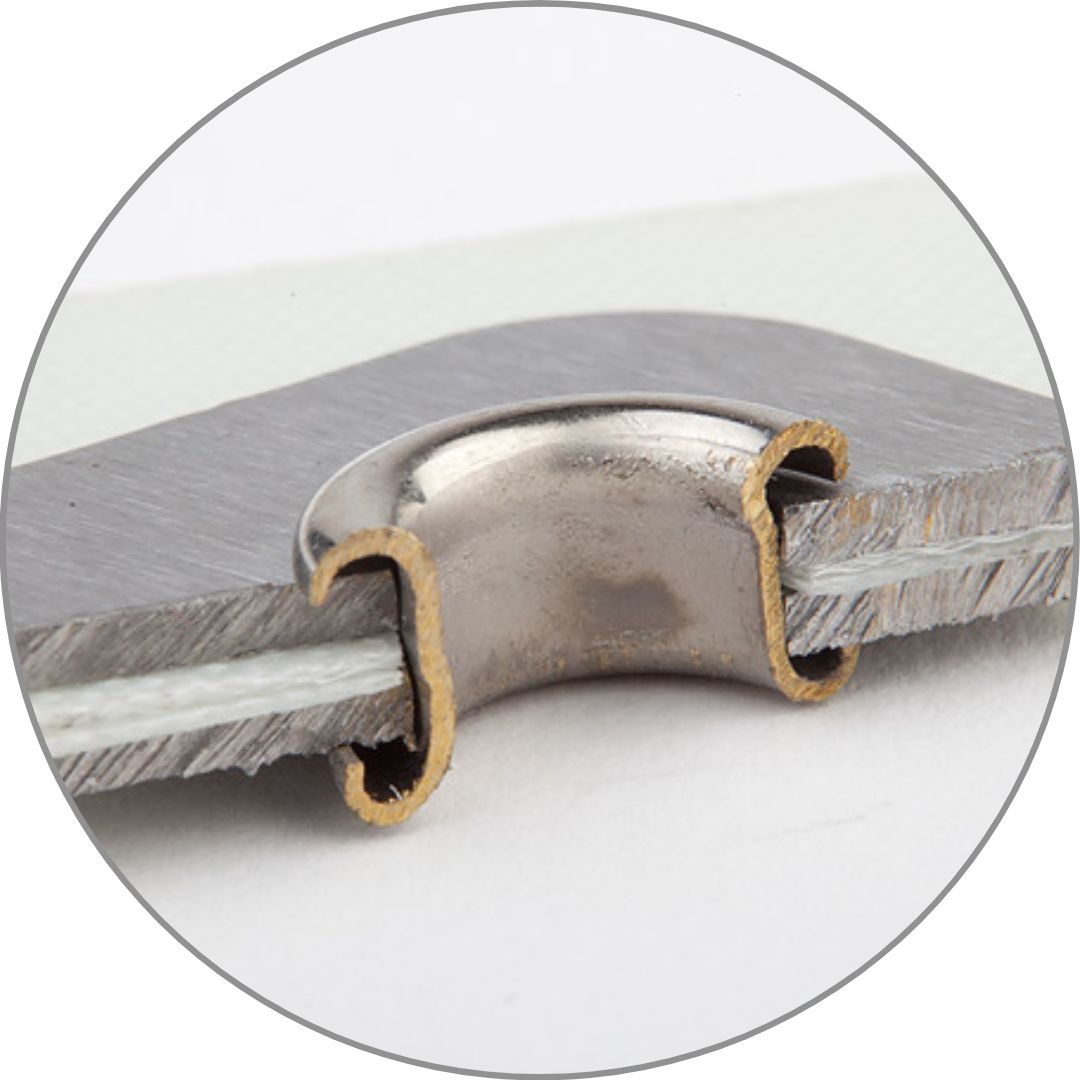
Manufacturing criteria for DIN 7340 rivet
Our tubular rivets are custom-made from seamless drawn precision tubes according to the DIN 7340.
Several criteria can be used to define them.
◉ Head shape: flat, domed, or countersunk
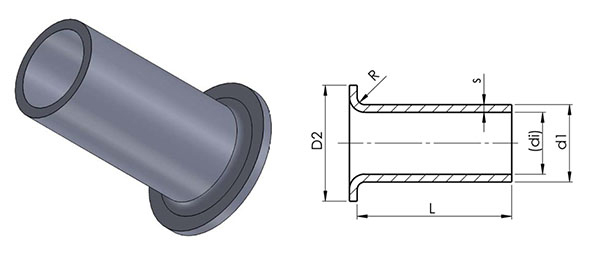
Flat head = A shape
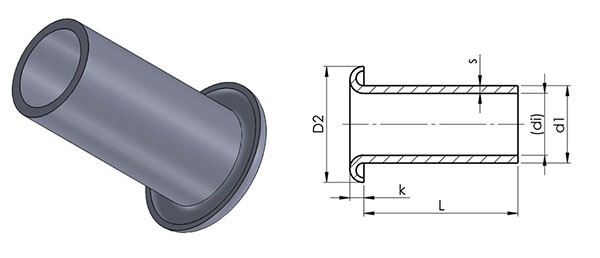
Domed or rolled head = shape B
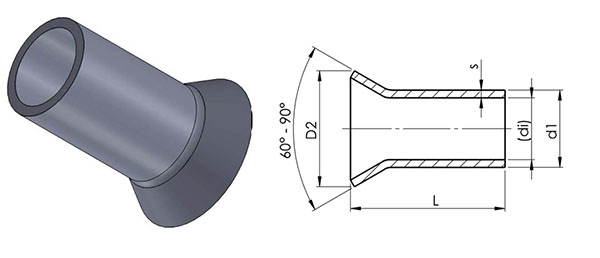
Countersunk head = form C
Outer tube diameter in mm
Generally from 1 mm to 12 mm. Other diameters are possibly available.
Wall thickness in mm
It can be calculated as follows: Outer diameter – Inner diameter / 2
Length of rivet
Generally from 2 mm to 60 mm. Other lengths are also possible.
◉ Material: stainless steel, brass, aluminium, copper or steel
rivets en laiton
These rivets are often used in the fashion industry for the production of clothing/textiles or jewellery, and for leather goods (shoes, bags, leather accessories). Light and malleable remain, however solid and resist corrosion and tarnishing well. Their golden colour often gives them a Aesthetic advantage. The Nickel plating This type of rivet improves its resistance to oxidation. Its appearance is then more silvery.
- copper rivets
They allow a very good thermal and electrical conductivity without being magnetic. They are corrosion-resistant & bacteriostatic (fights the proliferation of surface bacteria). They are often used in the automotive industry, electronics, thermal and air conditioning equipment, furniture, cutlery, etc.
stainless steel rivets
They are durable, robust and attractive. Known for prevent all corrosion, they are privileged in highly exposed environments such as nautical or aquatic settings, the medical field, for outdoor installations or electrical equipment. This material is totally recyclable.
aluminium rivets
They have the particularity of being Tender, light while being corrosion-resistant. 100% Recyclables%, they are suitable for use in all areas at low mechanical stress. They they conduct neither electricity nor heat and Are not magnetic. They are often used in the electronics, domestic appliance, transport, industrial mechanics & sheet metal sectors, etc...
steel rivets
They resist very well to mechanical stresses mais présentent une poor corrosion resistance. Therefore, they are generally provided with a protective coating against the latter. They are often used in the manufacture of gates, metal furniture, and industry in general.
Possible surface treatments
Rivets commonly requested are, for example:
– nickel-plated brass rivets – tin-plated copper rivets
- zinc-plated brass rivets - silver-plated brass rivets
– zinc-plated steel rivets – nickel-plated steel rivets
◉ Manufactured according to DIN 7340
Our tubular rivets are manufactured to DIN 7340, which also defines the tolerances for applications.
EXAMPLES OF USE
Les rivets tubulaires sont très utilisés dans l’textile industry (jeans, curtains, etc.) and the leather goods (leatherwork) but also on hard materials in the fields of construction, the’Household appliances, the’Electronics, the Medical equipment, the Transport or else the’Aeronautics.
Here are a few examples:
Fastening of textile and leather items:
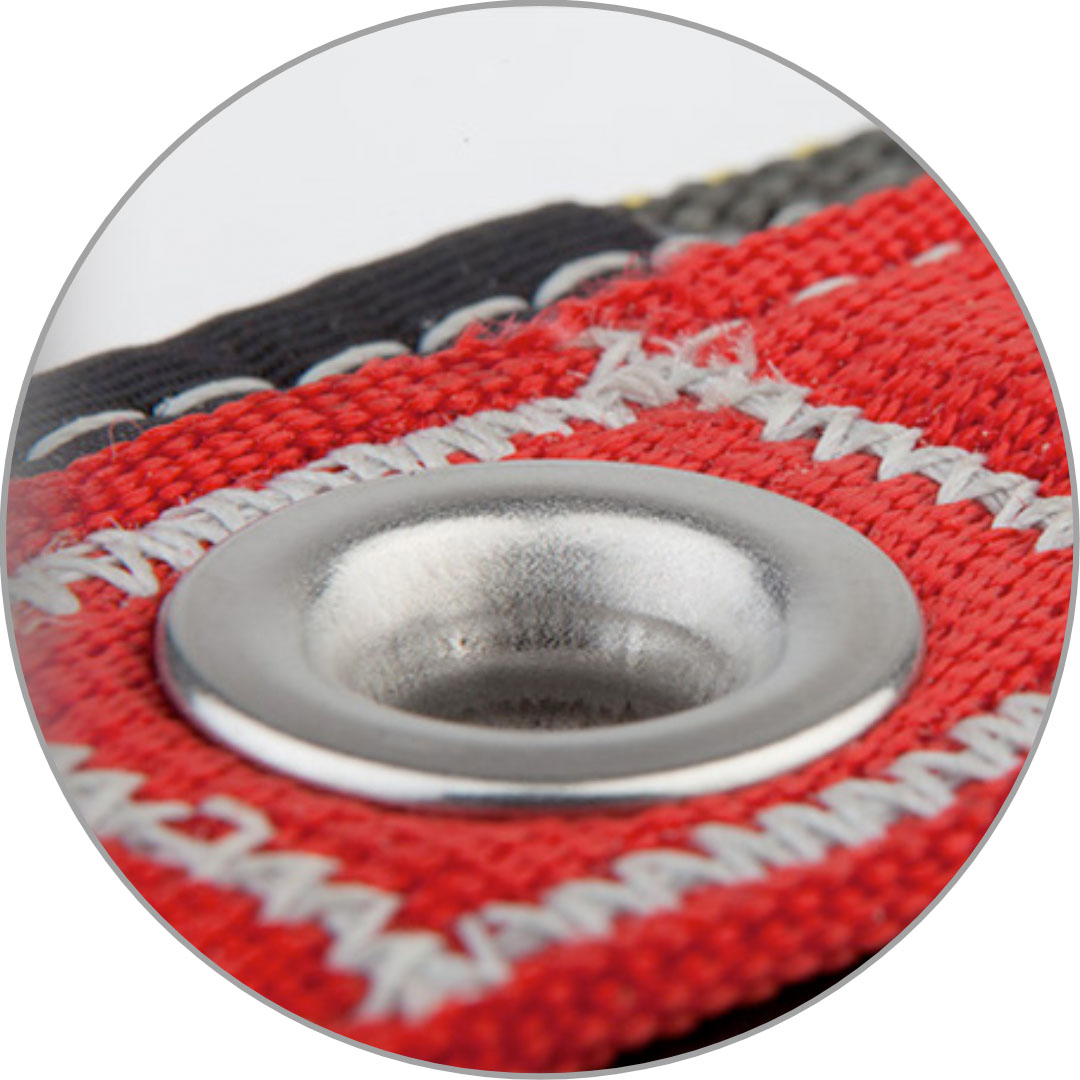
Tarpaulin eyelets
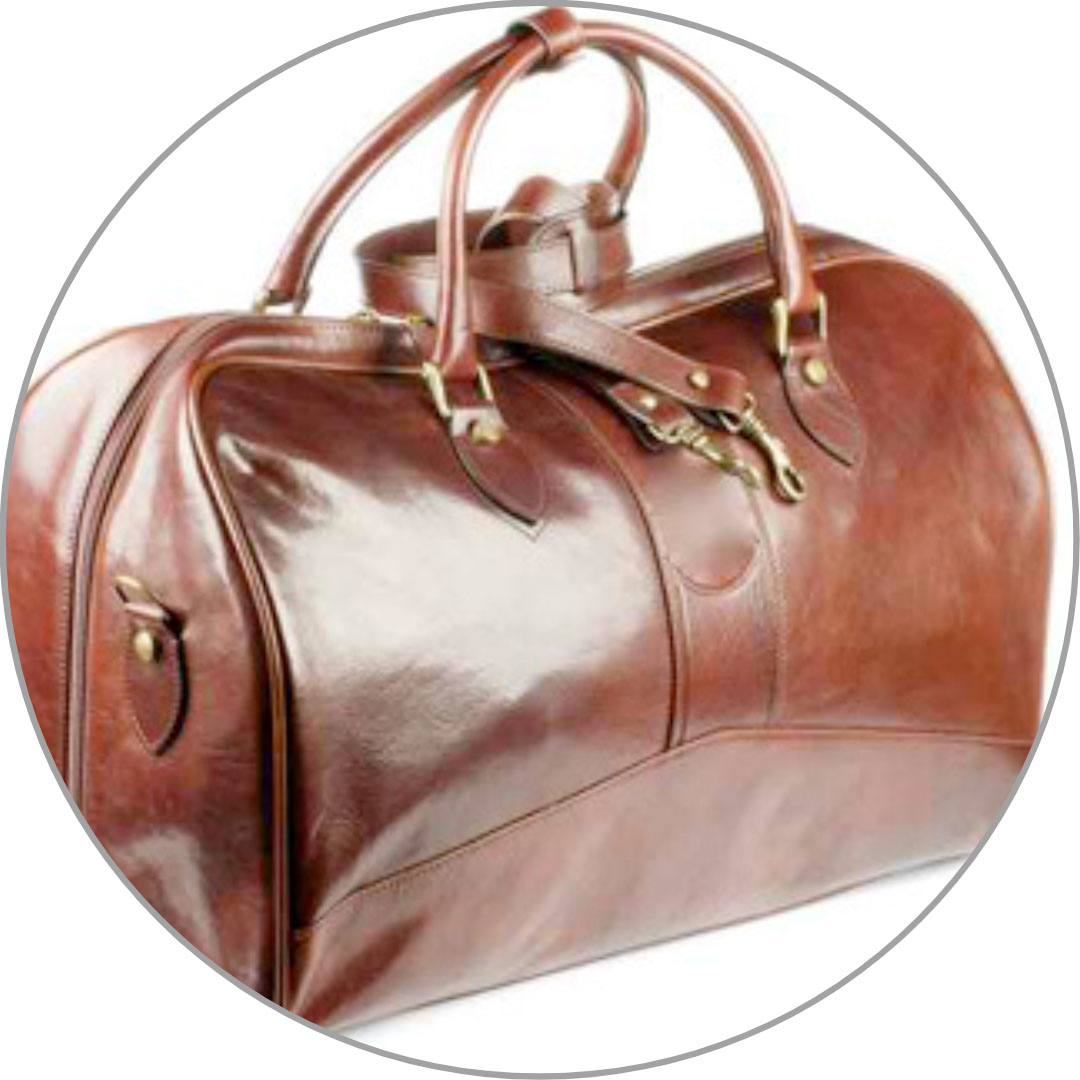
Assembly of
leather pieces
An indispensable component in the fields of electrotechnics and electronics:
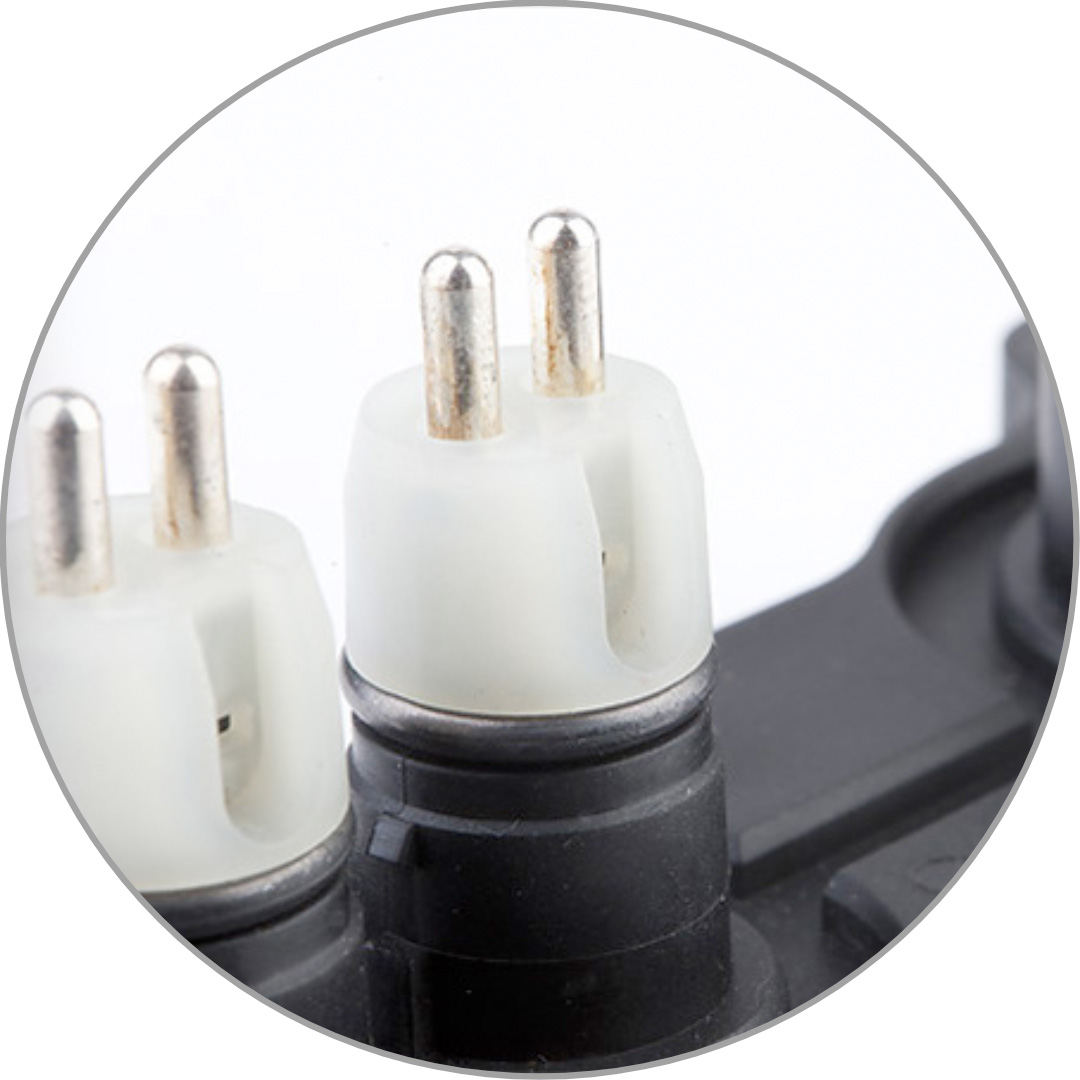
Ferrule crimp tube
flexible electrical cables/wires
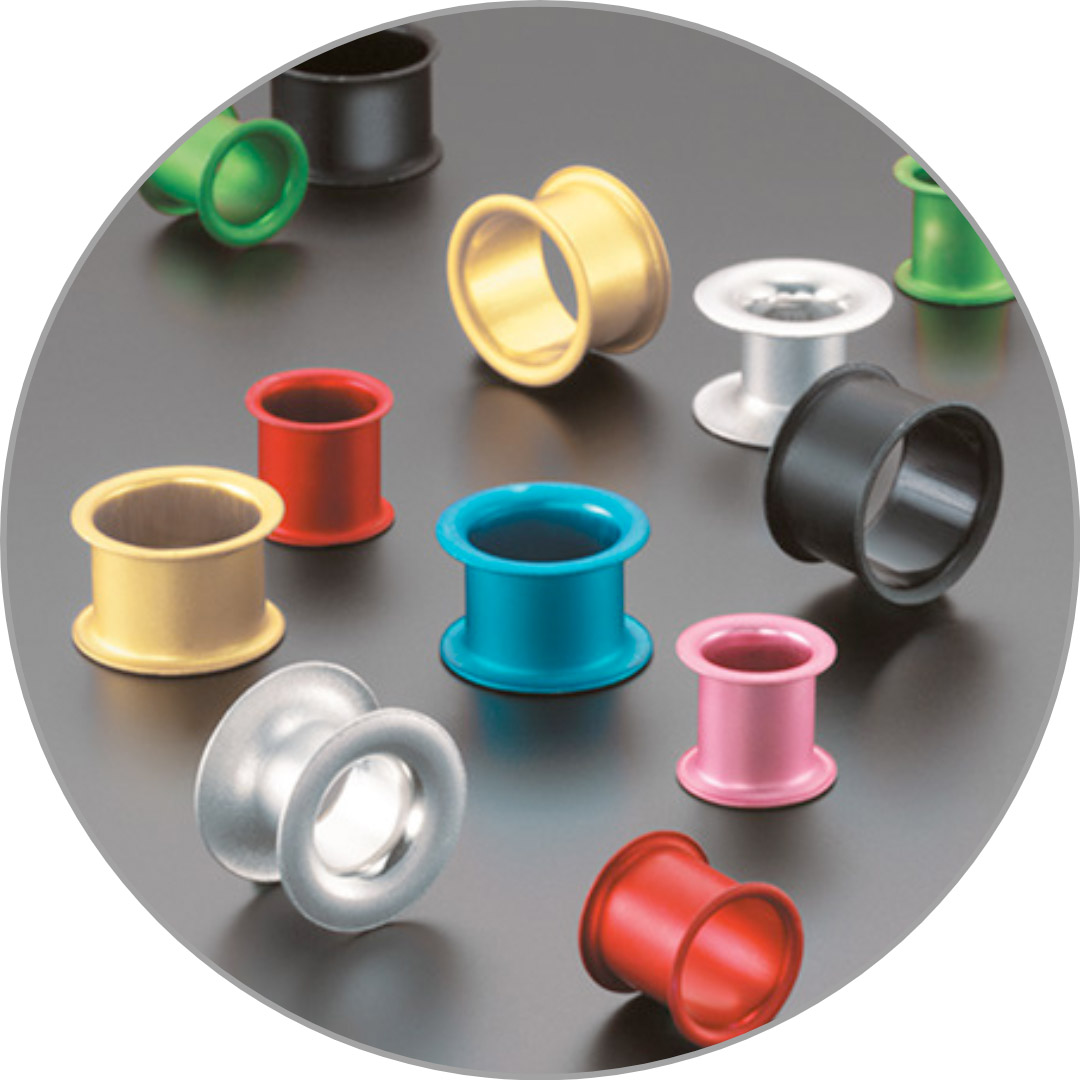
Neozed fuse calibration socket
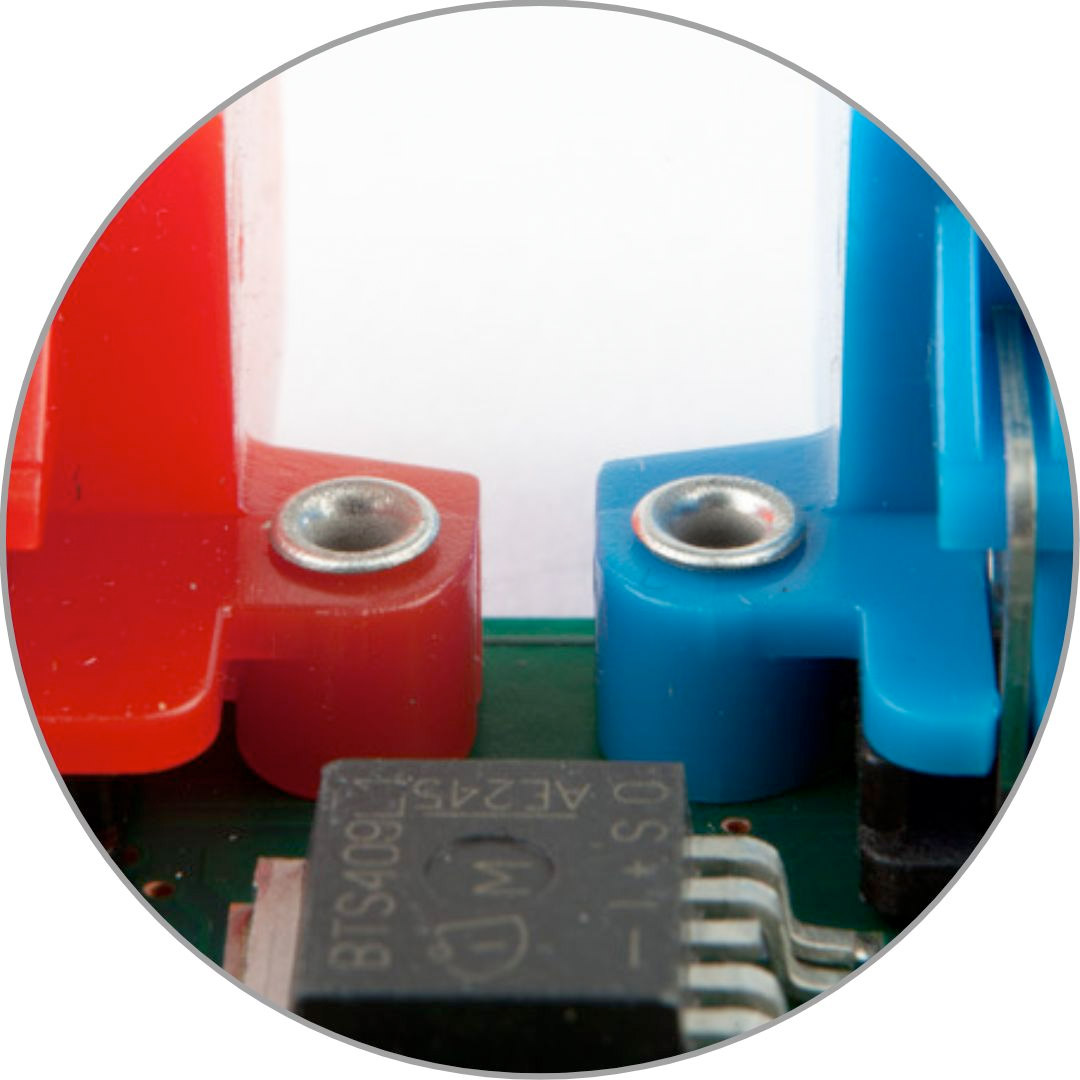
Fixing connectors, sockets, and distribution board enclosures.
Pivot for connecting non-fixed elements such as:
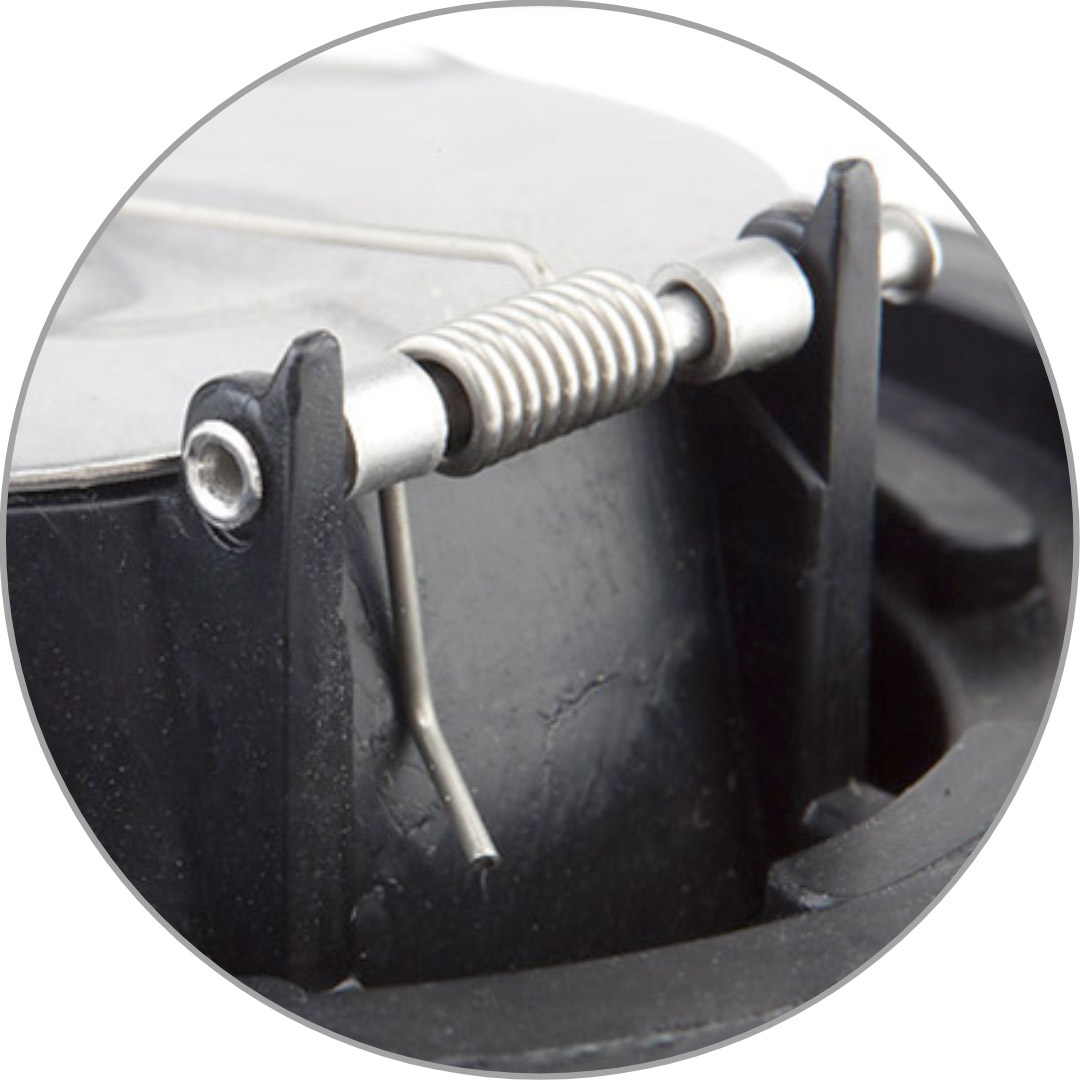
Kettle lid
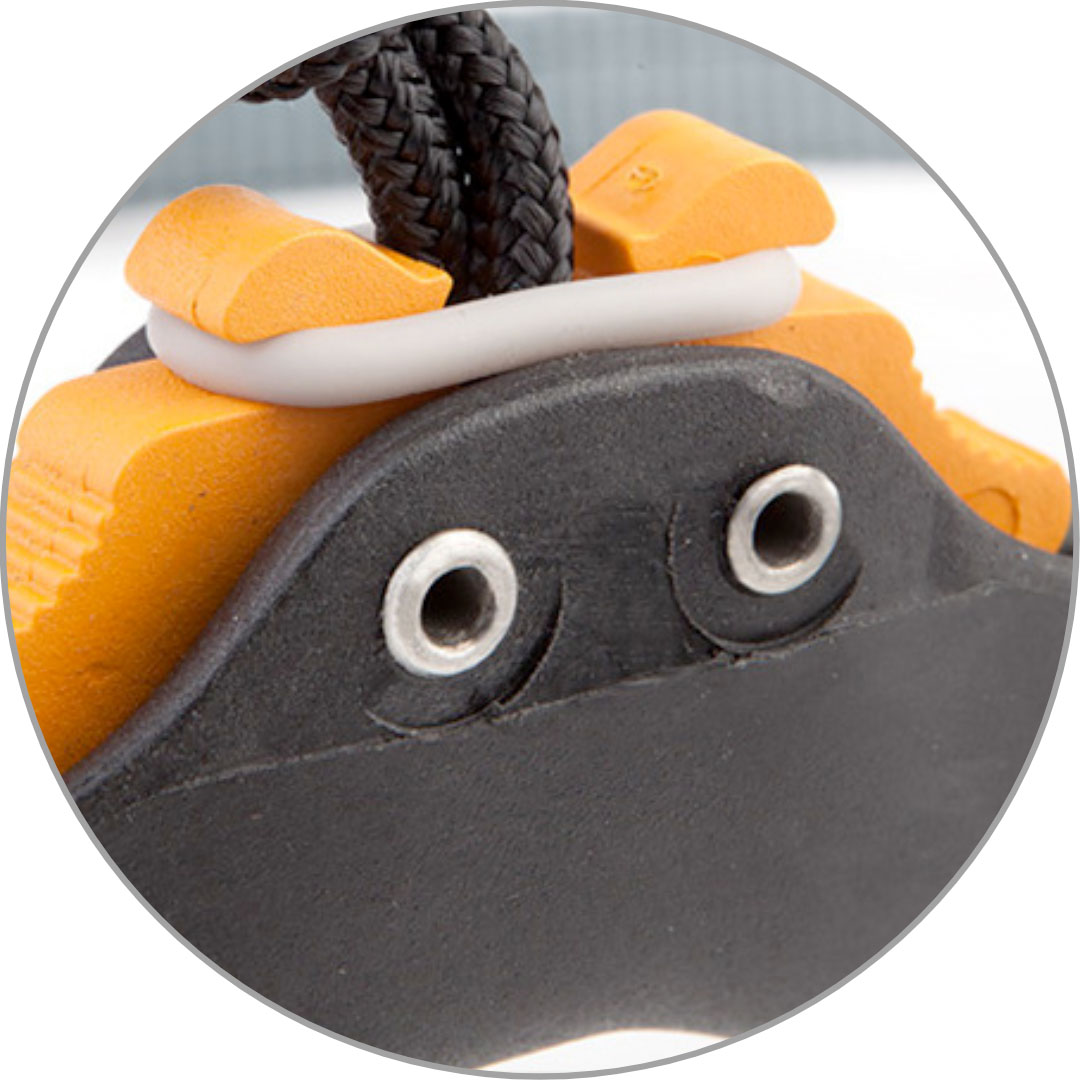
Furniture hinge
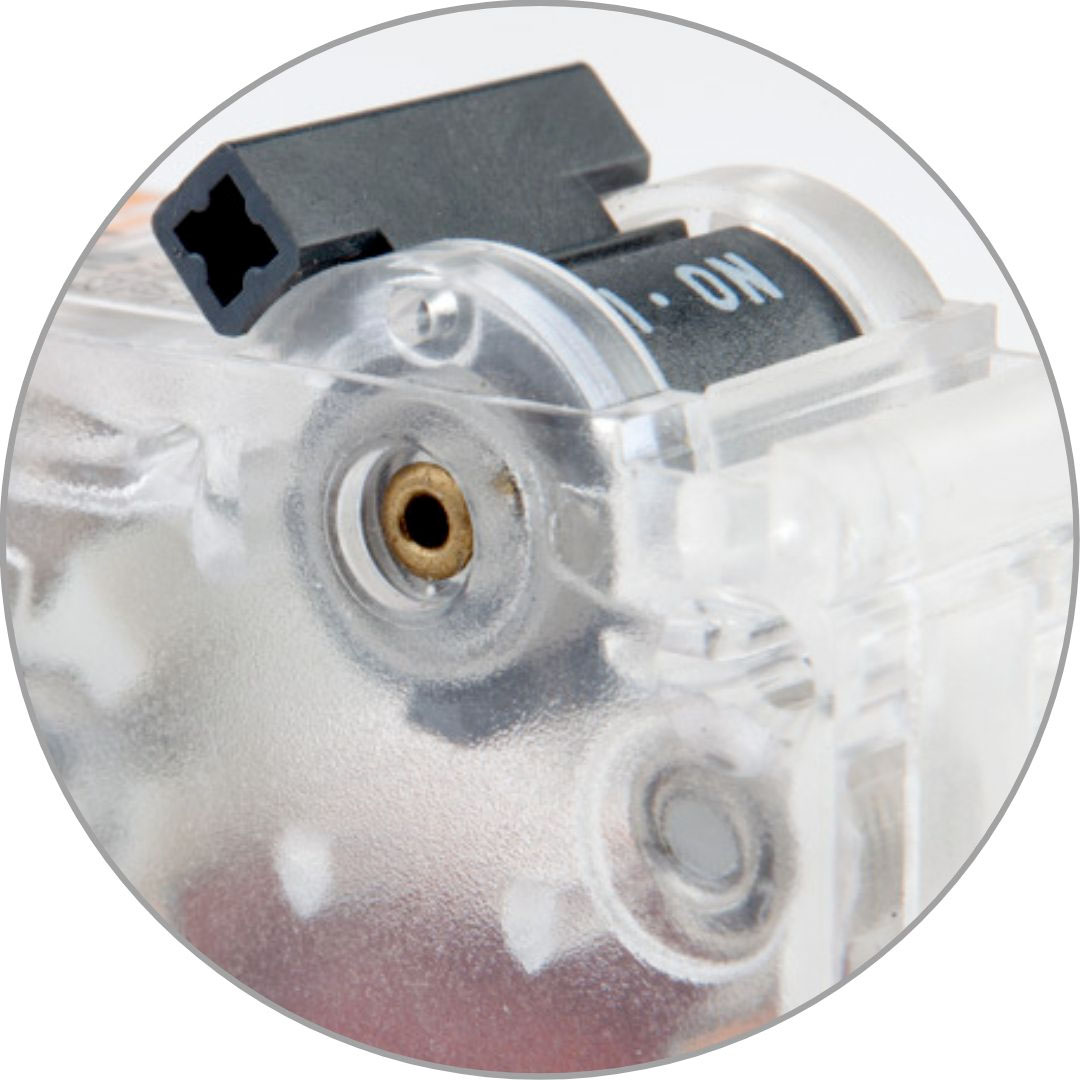
Switch
Facilitate cable passage
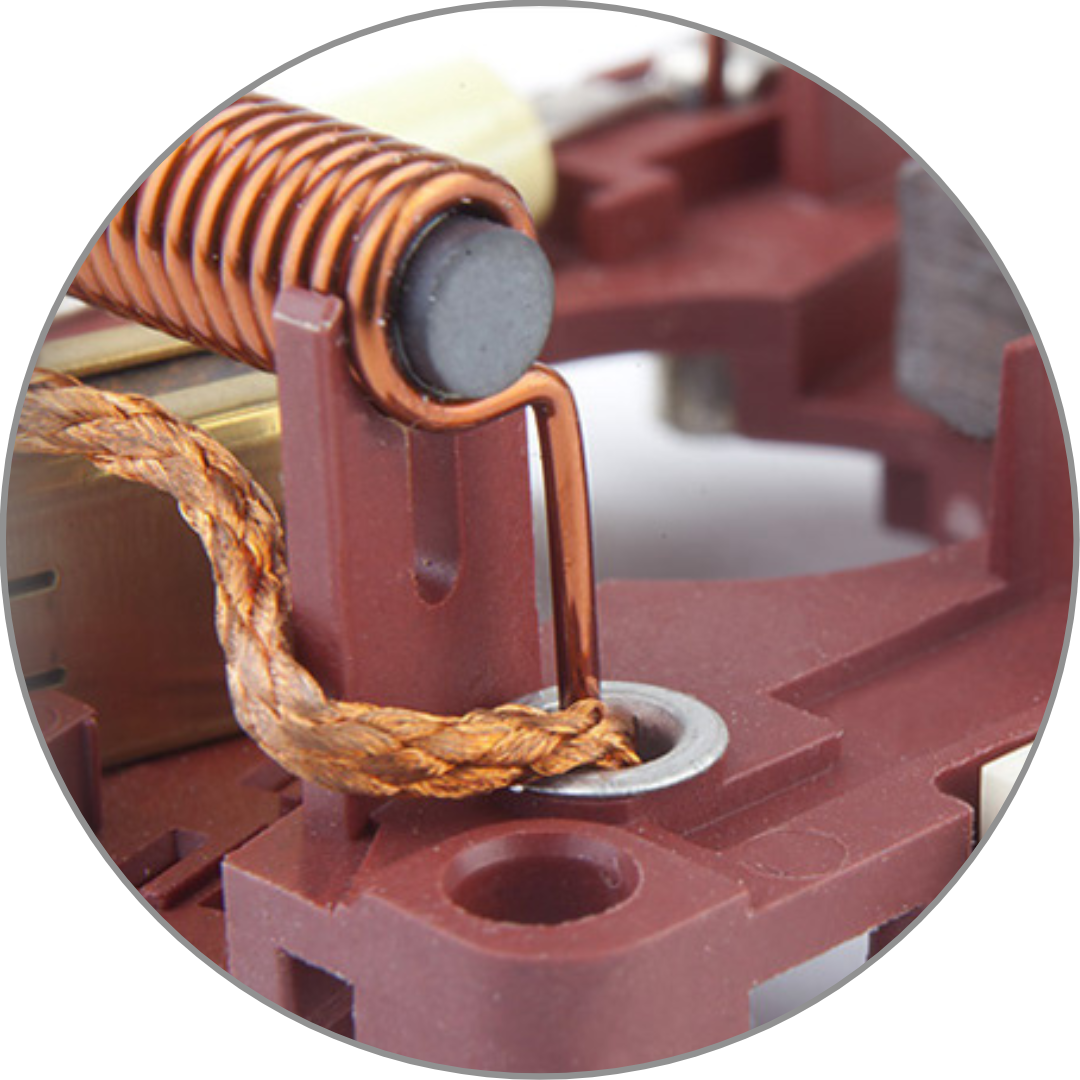
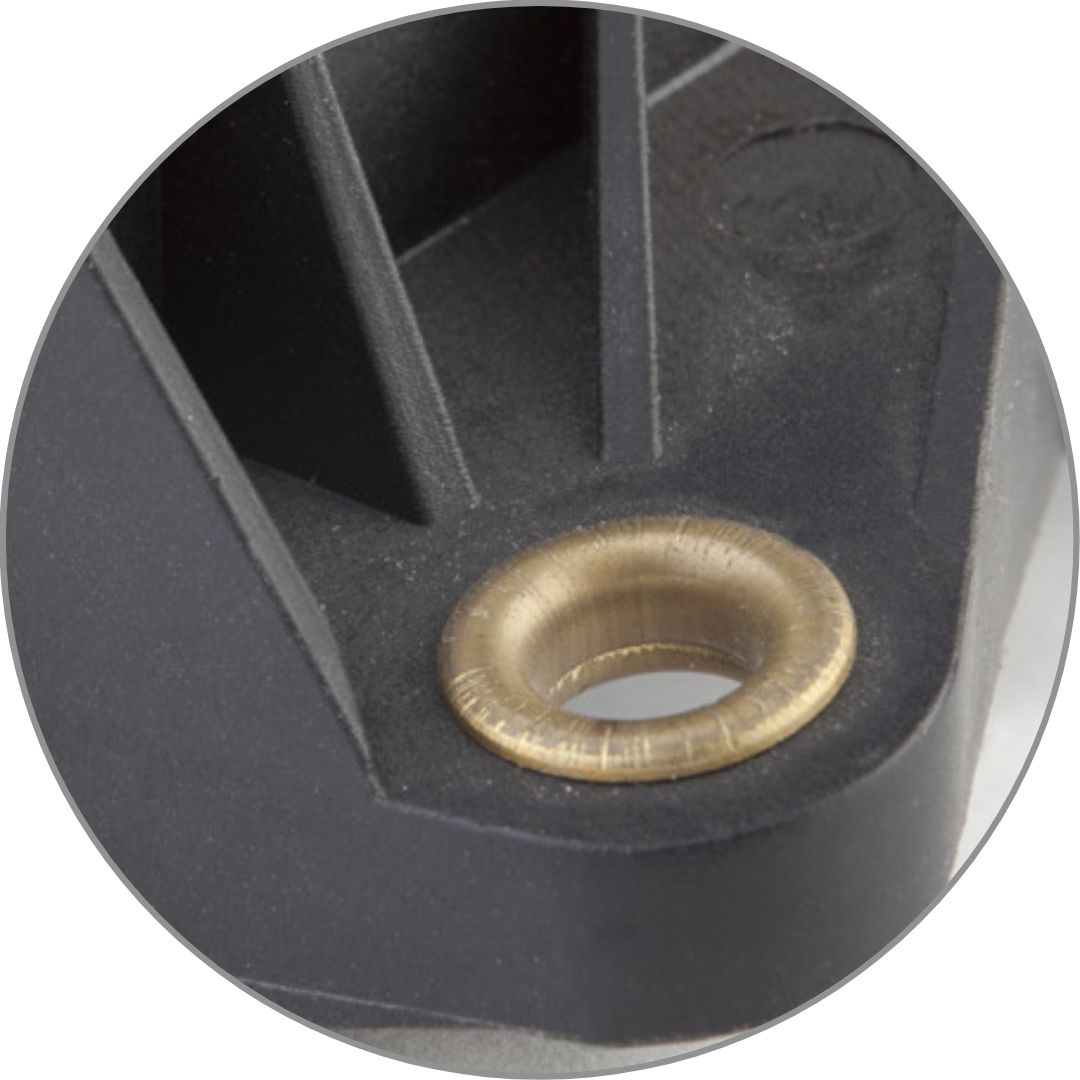
Strengthening screw connections in plastic that is too unstable...
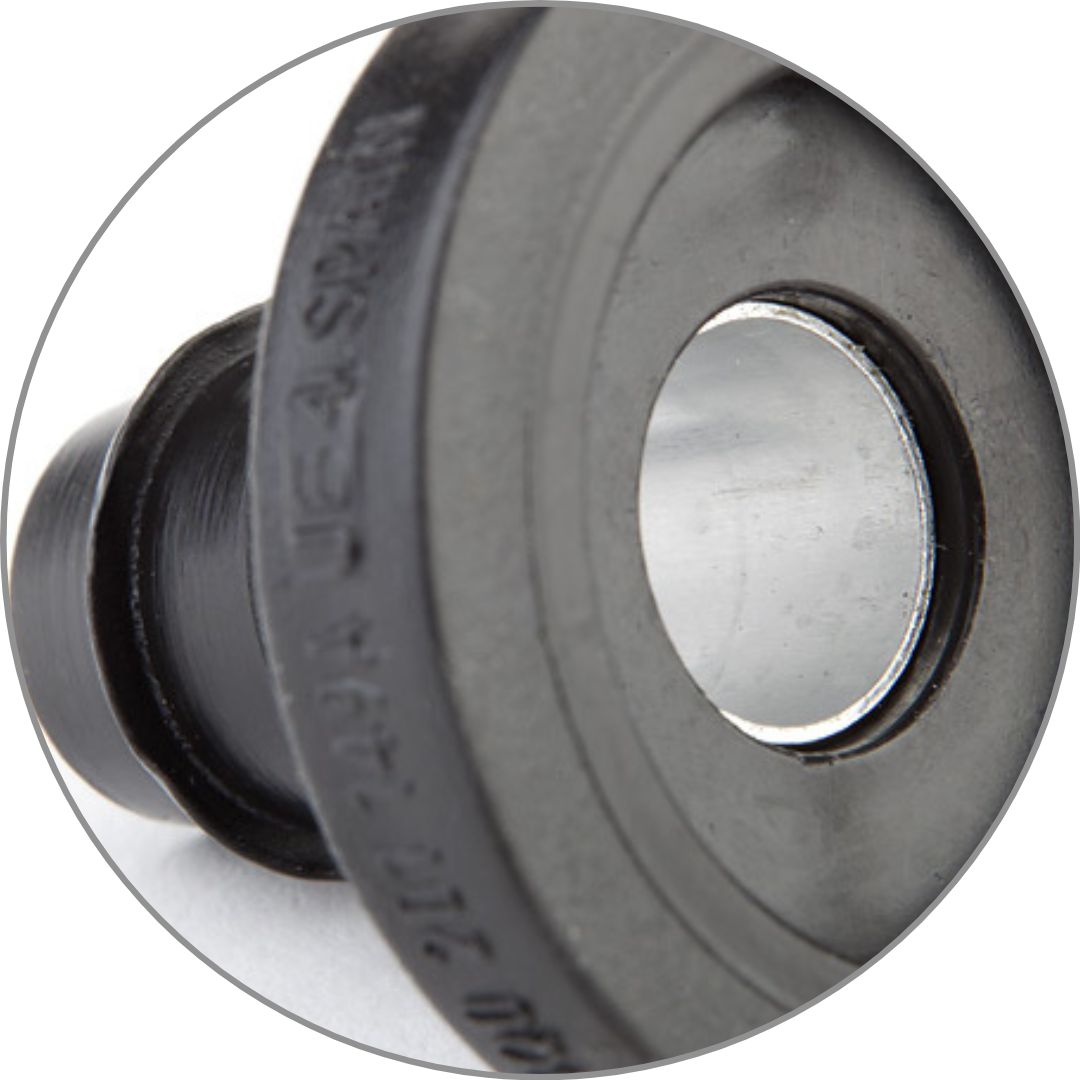
Example in
the automotive industry
Technical parts and high-value-added services
FGTI Distribution © 2024 All rights reserved
Legal information
Quality Policy
Terms and Conditions of Sale
Website by AroConseil