
FGTI-Distribution > PTFE and GTS Composites > High-performance polymers
Our partner GTS specialises in the manufacture of high-performance polymer parts.
High-performance polymers are polymers that exhibit exceptional mechanical, thermal, chemical, and electrical properties compared to standard plastics. These materials are designed to operate under extreme conditions and provide superior performance in various applications.
High-performance polymers are polymers that exhibit exceptional mechanical, thermal, chemical, and electrical properties compared to standard plastics. These materials are designed to operate under extreme conditions and provide superior performance in various applications.
Here are some common characteristics of high-performance thermoplastics:
- High thermal resistance They can withstand high temperatures without losing their mechanical properties.
- Chemical resistance They are resistant to many aggressive chemicals.
- Mechanical strength They offer high mechanical resistance, including good resistance to wear and fatigue.
- Electrical insulation Certains polymères haute performance sont d'excellents isolants électriques.
- Dimensional stability they maintain their shapes and dimensions even in difficult conditions.
- Lightness Often, these plastics are lightweight while maintaining high strength.
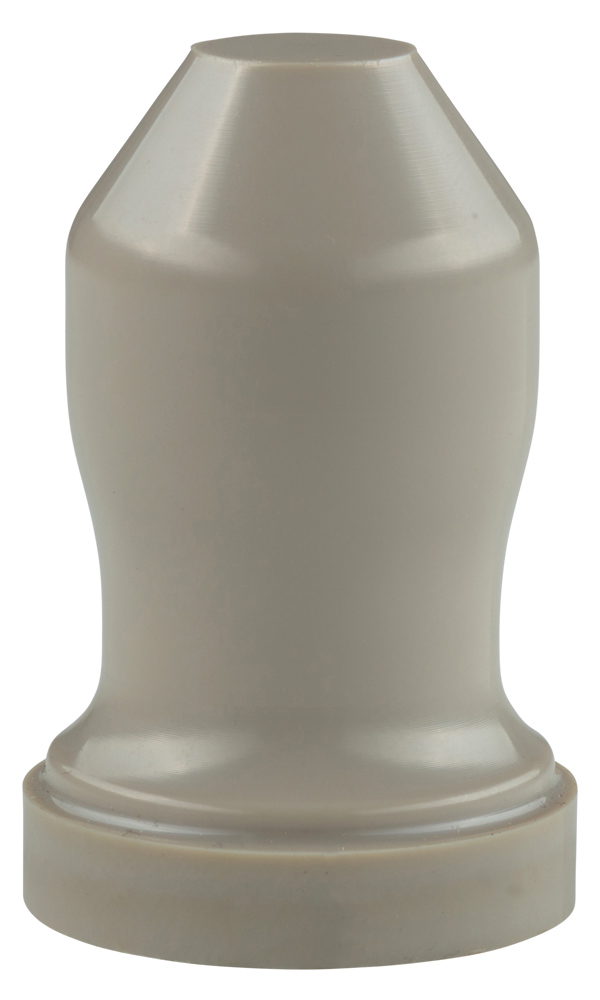
GTS produces and processes PTFE/TFM.
Among the high-performance thermoplastics machined by GTS, you will find:
- PEEK (polyether ether ketone)
- POM (polyoxymethylene)
Polyimide (PI)
- TPU (thermoplastic polyurethane)
- Polyamide (PA)
Among the high-performance thermoplastics machined by GTS, you will find:
- PEEK (polyether ether ketone)
- POM (polyoxymethylene)
Polyimide (PI)
- TPU (thermoplastic polyurethane)
- Polyamide (PA)
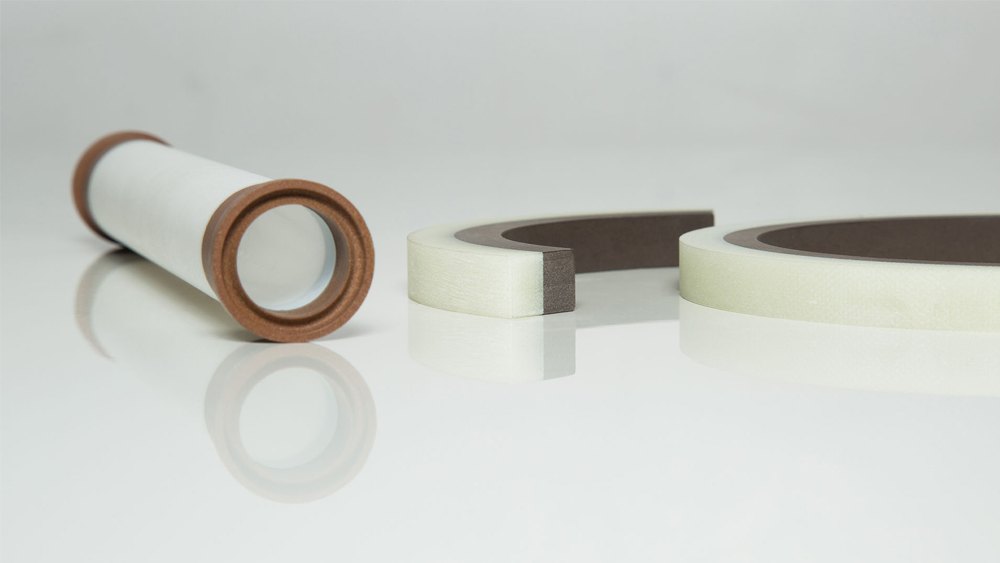
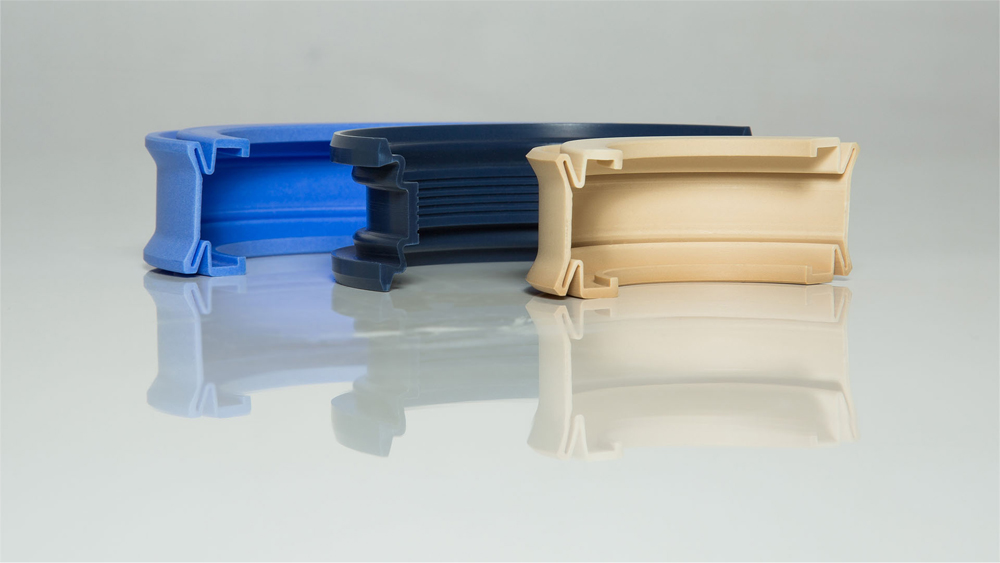
PTFE and its composites
Polytetrafluoroethylene (PTFE): an exceptional high polymer
PTFE, more commonly known as Teflon®, is a fluoropolymer renowned for its unique properties. Its molecular structure consists of carbon atoms bonded to fluorine atoms, creating an exceptionally strong carbon-fluorine bond. This bond imparts several remarkable characteristics to PTFE:- Heat resistance: PTFE can withstand high temperatures without losing its mechanical properties, making it ideal for high-temperature applications (up to 327°C).
- Anti-adhesive - excellent coefficient of friction: The surface of PTFE is extremely smooth, making it non-stick. This is why it is commonly used in non-stick coatings for cookware, industrial moulds, and other industrial applications where reducing friction and adhesion is essential.
- Chemical resistance: PTFE is highly resistant to a wide range of chemicals: acids (oleum, aqua regia, fuming nitric acid), bases (concentrated sodium hydroxide or potassium hydroxide), alcohols, ketones and hydrocarbons. It resists fluoroantimonic acid, the strongest acid currently known, which dissolves glass.
- Electrical isolation: Due to its low electrical conductivity, PTFE is widely used in electrical cables and connectors.
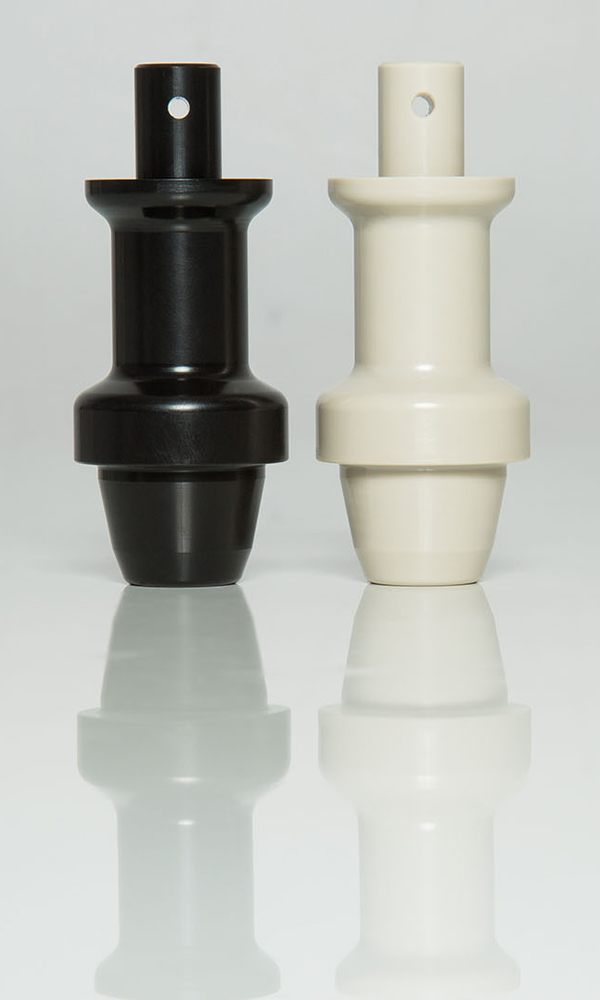
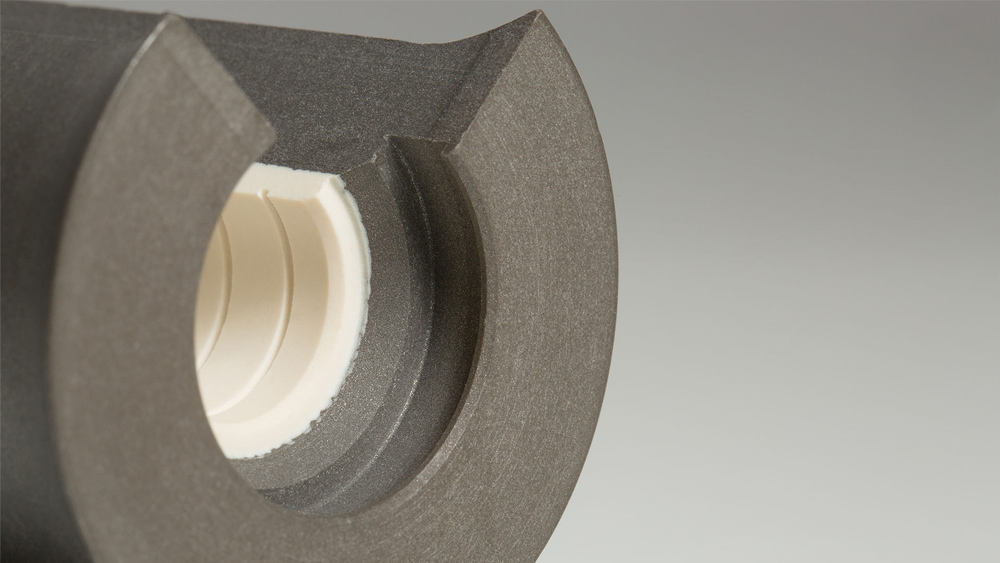
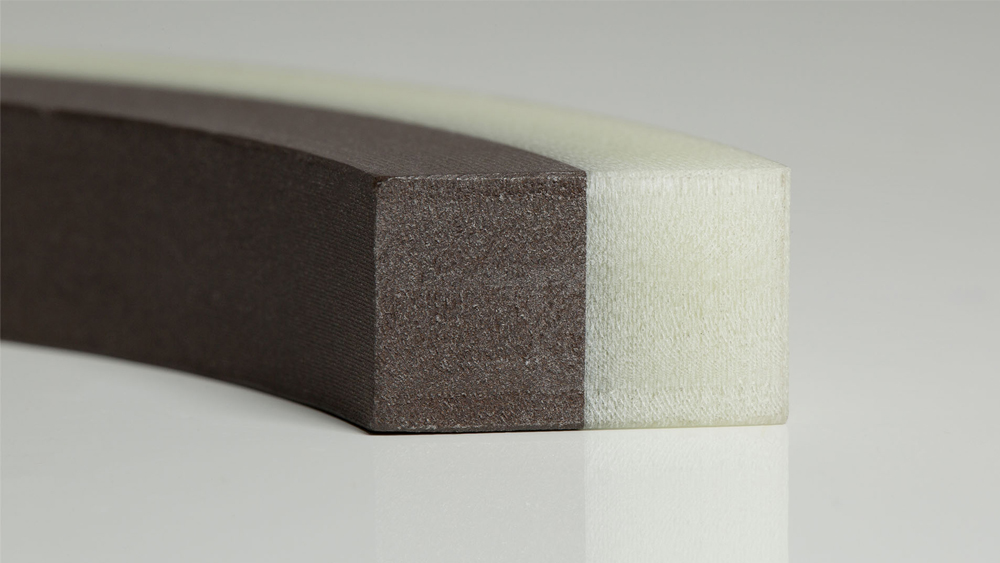
Filled PTFE
The combination of PTFE with other materials to form composites allows for the merging of their respective specific properties, thus creating products with improved performance. PTFE-based composites are generally reinforced by the following fillers:| Fibreglass | Improved compressive strength and wear resistance. |
| Carbon | Excellent compressive and wear resistance. Good thermal conductivity. Low permeability. |
| Graphite | Good thermal conductivity. Low coefficient of friction and permeability. |
| Bronze | Reduced creep at room temperature. Excellent wear resistance. Good thermal conductivity. |
Besides non-stick coatings and electrical cables, PTFE is used in the manufacture of seals, components for the food industry, the chemical industry, aeronautics, electronics, and even in certain medical devices (medical implants, for example) due to its biocompatibility.

Technical parts and high-value-added services
FGTI Distribution © 2024 All rights reserved
Legal information
Quality Policy
Terms and Conditions of Sale
Website by AroConseil